Marketing is most effective when it is guided by clear data rather than assumptions. For local businesses, understanding what drives traffic, leads, and customer engagement is essential to making informed decisions. Without tracking the right marketing metrics, it becomes difficult to measure success or identify areas for improvement.
Many businesses invest time and resources into campaigns without fully understanding their impact. This is where structured tracking becomes valuable. By focusing on a few critical performance indicators, businesses can simplify their approach and improve outcomes over time.
This guide explores five key marketing metrics every local business should track, along with practical insights on how to use them effectively. These insights align with modern marketing services consulting practices and support long-term growth.
Why Marketing Metrics Matter for Local Businesses
Marketing metrics provide a measurable way to evaluate performance. Instead of relying on guesswork, businesses can identify trends, understand customer behavior, and optimize their strategies accordingly.
Key benefits of tracking marketing metrics
- Better decision making based on real data
- Improved allocation of marketing resources
- Increased return on marketing efforts
- Enhanced understanding of customer preferences
- Stronger alignment with business goals
Businesses working with marketing strategy consulting services often rely on these metrics to build structured and scalable marketing plans.
Overview of the 5 Key Marketing Metrics
Before diving deeper, here is a quick overview of the five essential metrics:
| Metric | What It Measures | Why It Matters |
| Website Traffic | Number of visitors to your site | Indicates visibility and reach |
| Conversion Rate | Percentage of visitors taking action | Measures effectiveness of messaging |
| Lead Sources | Origin of your leads | Identifies high-performing channels |
| Customer Acquisition | Cost to acquire a new customer | Helps evaluate efficiency |
| Reviews and Engagement | Customer feedback and interaction | Builds trust and reputation |
1. Website Traffic
Website traffic is one of the most fundamental marketing metrics. It shows how many users visit your website and how they interact with it.
What to track within website traffic
- Total number of visitors
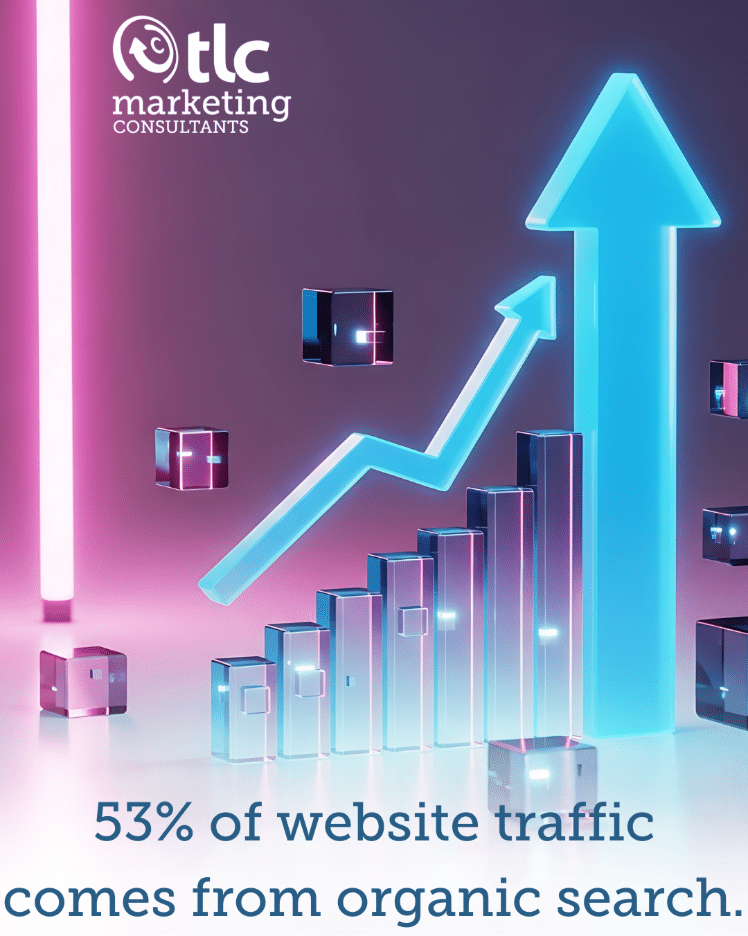
- Traffic sources such as organic search, social media, and referrals
- New vs returning visitors
- Page views and session duration
Why website traffic matters
For local businesses, website traffic reflects overall visibility. If your traffic is increasing, it usually means your marketing efforts are reaching more people. A sudden drop, however, may indicate issues such as reduced search visibility or technical problems.
How to improve website traffic
- Optimize your website for search engines
- Create locally relevant content
- Maintain an active presence on social platforms
- Ensure your business listings are accurate
Businesses often rely on marketing consultants near me to analyze traffic patterns and identify growth opportunities.
2. Conversion Rate
Traffic alone does not guarantee success. Conversion rate measures how effectively your website turns visitors into leads or customers.
What counts as a conversion
- Filling out a contact form
- Calling your business
- Booking an appointment
- Subscribing to a newsletter
Why conversion rate matters
A high conversion rate indicates that your messaging, design, and user experience are aligned with customer expectations. Even a small improvement can significantly increase results without increasing traffic.
Factors that influence conversion rate
- Clear and relevant messaging
- Strong calls to action
- Mobile-friendly design
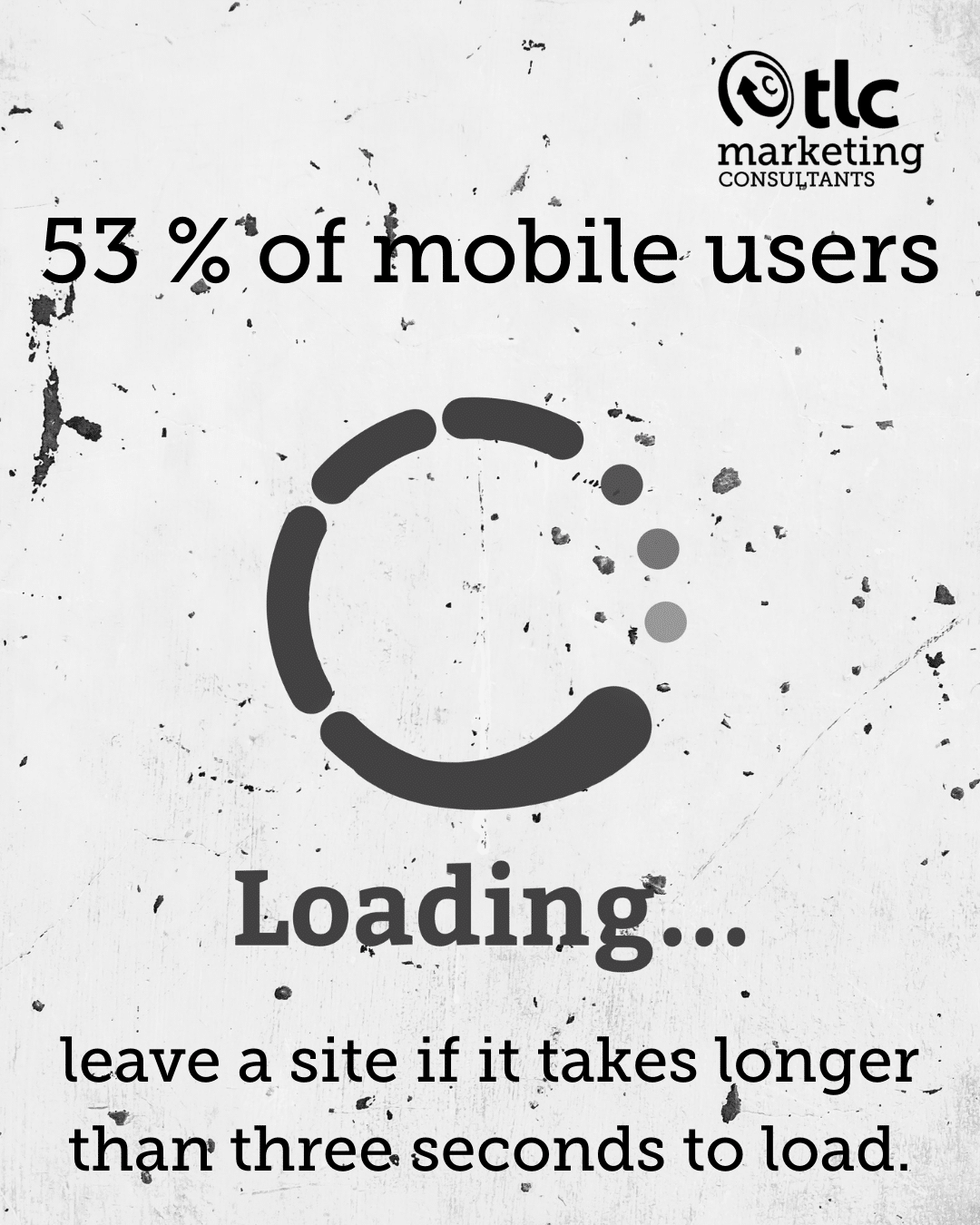
- Fast loading speed
To get more information on improving conversion rates, businesses often analyze user behavior and test different page elements.
3. Lead Sources
Understanding where your leads come from helps you focus on the channels that deliver the best results.
Common lead sources for local businesses
- Search engines
- Google Business Profile
- Social media platforms
- Email campaigns
- Referrals and word of mouth
- Paid advertising
Why lead source tracking is important
Not all marketing channels perform equally. By identifying which channels generate the most leads, you can allocate resources more effectively.
How to track lead sources
- Use analytics tools to monitor traffic sources
- Add tracking parameters to campaigns
- Ask customers how they found your business
Businesses working with marketing services consulting professionals often build structured systems to track and evaluate lead sources consistently.
4. Customer Acquisition Metrics
Customer acquisition metrics help you understand how efficiently your marketing efforts convert into actual customers.
What to include in acquisition tracking
- Total marketing efforts required to acquire a customer
- Conversion journey from first interaction to final purchase
- Performance of different campaigns
Why this metric matters
If acquiring a customer requires significant effort without strong returns, adjustments are necessary. Tracking acquisition ensures that marketing aligns with overall business performance.
Ways to improve customer acquisition
- Focus on high-performing channels
- Improve targeting and messaging
- Streamline the customer journey
- Reduce friction in the conversion process
Businesses can explore our services to better understand how acquisition strategies are refined using data insights.
5. Reviews and Engagement
For local businesses, reputation plays a major role in attracting new customers. Reviews and engagement metrics provide insight into how your audience perceives your brand.
What to track in reviews and engagement
- Number of reviews
- Average rating
- Customer feedback trends
- Social media interactions such as comments and shares
Why reviews and engagement matter
Customers often rely on reviews before making decisions. Positive engagement signals trust, while consistent interaction helps build long-term relationships.
Ways to improve engagement
- Encourage satisfied customers to leave reviews
- Respond to feedback promptly
- Share valuable and relevant content
- Maintain consistent communication
Businesses can Visit our blog page to learn more about building strong customer engagement strategies.
How These Metrics Work Together
Each of these metrics provides value on its own, but their real impact comes from analyzing them together.
Example of combined insights
- High traffic but low conversions may indicate messaging issues
- Strong engagement but low traffic may suggest limited visibility
- Good lead sources but poor acquisition results may highlight inefficiencies
By combining insights, businesses can create a more balanced and effective marketing strategy.
Common Mistakes to Avoid When Tracking Metrics
Tracking metrics is important, but doing it incorrectly can lead to misleading conclusions.
Avoid these common mistakes
- Focusing on too many metrics at once
- Ignoring data trends over time
- Not aligning metrics with business goals
- Overlooking customer experience factors
Working with professionals such as TLC Marketing Consultants helps ensure that metrics are interpreted correctly and used effectively.
Best Practices for Tracking Marketing Metrics
- Keep your approach simple: Start with the five key metrics outlined in this guide before expanding your tracking system.
- Use reliable tools: Analytics platforms provide accurate and actionable insights.
- Review data regularly: Consistent monitoring helps identify trends and opportunities early.
- Align metrics with goals: Ensure that every metric supports a specific business objective.
Role of Marketing Strategy in Metrics Tracking
Metrics alone are not enough. They need to be part of a broader strategy.
Key elements of a strong marketing strategy
- Clear goals and objectives
- Defined target audience
- Consistent messaging
- Ongoing performance analysis
Businesses that use marketing strategy consulting services often develop structured frameworks that connect metrics with actionable insights.
Practical Example of Metrics in Action
Consider a local service-based business aiming to increase leads.
Step-by-step approach
- Monitor website traffic to assess visibility
- Improve conversion rate through optimized landing pages
- Identify top-performing lead sources
- Evaluate acquisition efficiency
- Strengthen reviews and engagement
This structured approach ensures that every marketing effort contributes to measurable growth.
How TLC Marketing Consultants Supports Data-Driven Marketing
TLC Marketing Consultants focuses on helping businesses understand and apply key marketing metrics effectively. By combining data analysis with practical strategies, businesses can achieve consistent growth.
Their approach emphasizes:
- Data-driven decision making
- Clear performance tracking
- Sustainable marketing practices
For businesses looking to refine their strategy, it is helpful to contact us for tailored guidance.
Conclusion
Tracking the right marketing metrics is essential for any local business aiming to grow sustainably. By focusing on website traffic, conversion rate, lead sources, customer acquisition, and reviews and engagement, businesses can gain a clear understanding of their performance.
These metrics provide actionable insights that help improve visibility, generate leads, and strengthen customer relationships. When used consistently, they create a strong foundation for long-term success.
Businesses that integrate these metrics into their overall strategy are better equipped to adapt to changes and make informed decisions. With the right approach, marketing becomes a measurable and manageable process rather than an uncertain investment.
Frequently Asked Questions
What are the most important marketing metrics for local businesses?
The most important metrics include website traffic, conversion rate, lead sources, customer acquisition, and reviews and engagement. These provide a balanced view of performance.
How often should marketing metrics be reviewed?
Metrics should be reviewed regularly, typically on a monthly basis, to identify trends and make timely adjustments.
Can small businesses track marketing metrics without advanced tools?
Yes, many basic analytics tools provide sufficient data for tracking essential metrics effectively.
Why is conversion rate more important than traffic?
Traffic shows visibility, but conversion rate measures effectiveness. High traffic without conversions does not contribute to business growth.
How can businesses improve their marketing performance using these metrics?
By analyzing trends, identifying weak areas, and optimizing strategies based on data insights, businesses can improve overall performance.