At TLC Marketing Consultants, businesses often share a similar frustration: they are investing in marketing but not seeing consistent, measurable growth. Campaigns are launched, content is published, and ads are funded, yet results fluctuate. The issue is rarely effort. It is usually structured.
A marketing plan creates that structure. It connects business objectives with practical execution. Instead of reacting to trends or competitors, your organization operates with defined priorities, measurable goals, and a clear roadmap.
An effective plan guides decisions about messaging, budget allocation, channel selection, and performance tracking. When built correctly, it becomes a working document that evolves alongside your business rather than a file stored and forgotten. This guide explains how to create a marketing plan that works in practical, measurable terms.
What Is a Marketing Plan and Why Does It Matter?
A marketing plan is a detailed framework outlining how your organization will attract, engage, and convert customers over a specific period. It defines priorities, timelines, and accountability structures that ensure marketing supports overall business growth.
A comprehensive plan typically includes:
- Defined target audiences
- Clear positioning and messaging
- Short- and long-term goals
- Channel strategies
- Budget allocations
- Key performance indicators
Organizations that invest in marketing services consulting often discover that formalized planning reduces wasted spend and improves strategic clarity across departments.
Why Many Marketing Plans Fail
Marketing plans fail when they lack clarity or follow-through. Common breakdowns include unclear objectives, unrealistic timelines, and inconsistent tracking systems.
Another common issue is overcomplication. A marketing plan should be thorough but actionable. Businesses exploring marketing strategy consulting services often seek guidance to simplify complex strategies into structured, manageable steps that align with internal capacity and measurable outcomes.
Step 1: Define Clear Business and Marketing Goals
A strong marketing plan begins with well-defined objectives. Marketing goals must align with business growth targets, whether those involve revenue expansion, market penetration, brand awareness, or customer retention.
Without measurable outcomes, marketing efforts become difficult to evaluate. Clear goals provide direction and create accountability across teams.
Use the SMART Framework
SMART goals are:
- Specific
- Measurable
- Achievable
- Relevant
- Time-bound
For example, instead of setting a goal to “increase engagement,” define a measurable target such as increasing qualified leads by 25 percent within six months through organic and paid channels.
Businesses working with marketing strategy consulting services often begin by translating executive-level objectives into marketing KPIs that can be tracked consistently.
Step 2: Understand Your Target Audience
Marketing efforts cannot succeed without a deep understanding of the intended audience. Effective planning begins with research, not assumptions.
Methods for Audience Research
- Analyze customer purchase behavior
- Review CRM and sales data
- Evaluate website analytics
- Conduct surveys and interviews
- Monitor social engagement metrics
Creating audience personas helps visualize demographics, decision triggers, objections, and preferred communication platforms.
Many businesses searching for marketing consultants near me do so after realizing their messaging lacks resonance. Audience clarity ensures that every marketing dollar is directed toward individuals most likely to convert, improving efficiency and return on investment.
Step 3: Conduct a Competitive Analysis
Competitive research reveals positioning gaps and strategic opportunities. Understanding how competitors attract and retain customers helps refine differentiation.
Areas to Evaluate
For businesses operating locally, evaluating competitor approaches to search engine optimization Kansas city strategies can highlight overlooked keywords and technical improvements that strengthen visibility.
Competitive analysis should not drive imitation. Instead, it should inform positioning that clearly differentiates your brand.
| Area | Key Questions | Strategic Insight |
| Website Content | What services are emphasized? | Messaging clarity |
| SEO | Which keywords rank? | Organic opportunities |
| Paid Campaigns | Where are ads placed? | Budget focus |
| Social Channels | What content gains traction? | Engagement patterns |
| Promotions | What incentives are offered? | Competitive positioning |
Step 4: Choose the Right Marketing Channels
Not all marketing channels produce equal returns. Channel selection should reflect audience behavior, budget, and long-term objectives.
Common Channel Options
- Search engine optimization
- Content marketing
- Email marketing
- Social media platforms
- Paid search and display advertising
- Local listings and directories
- Referral programs
Businesses often integrate digital marketing Kansas city solutions to ensure their online visibility aligns with user search behavior and conversion goals.
How to Prioritize Channels
Consider:
- Expected return on investment
- Implementation cost
- Internal resource availability
- Alignment with buyer journey stages
Strategic prioritization prevents overspending on platforms that generate traffic without conversions.
Step 5: Develop a Structured Content Strategy
Content supports nearly every marketing channel. It drives organic search, nurtures leads, builds authority, and supports email campaigns.
Essential Content Types
- Educational blog articles
- Service landing pages
- FAQs
- Case studies
- Email newsletters
- Downloadable guides
Publishing informative articles in your blog strengthens organic search visibility and demonstrates subject matter expertise.
Align Content with Buyer Journey
- Awareness stage: informational content
- Consideration stage: comparison resources
- Decision stage: detailed service explanations and testimonials
A content strategy aligned with intent improves both SEO rankings and conversion performance.
Step 6: Allocate Budget and Define Resources
A marketing plan must outline financial commitments and operational responsibilities. Budget clarity ensures that priorities align with available resources.
Budget Categories
- Advertising spend
- Content creation
- Technology and software tools
- Analytics and reporting systems
- Professional consulting
Organizations investing in marketing services consulting frequently gain structured allocation guidance that reduces inefficient spending and strengthens ROI tracking.
Clear resource assignments also improve accountability and campaign execution consistency.
Step 7: Implement Conversion Rate Optimization
Traffic generation is only part of the process. Conversion rate optimization ensures that visitors take meaningful action.
Core CRO Components
- Clear calls to action
- Simplified navigation
- Mobile responsiveness
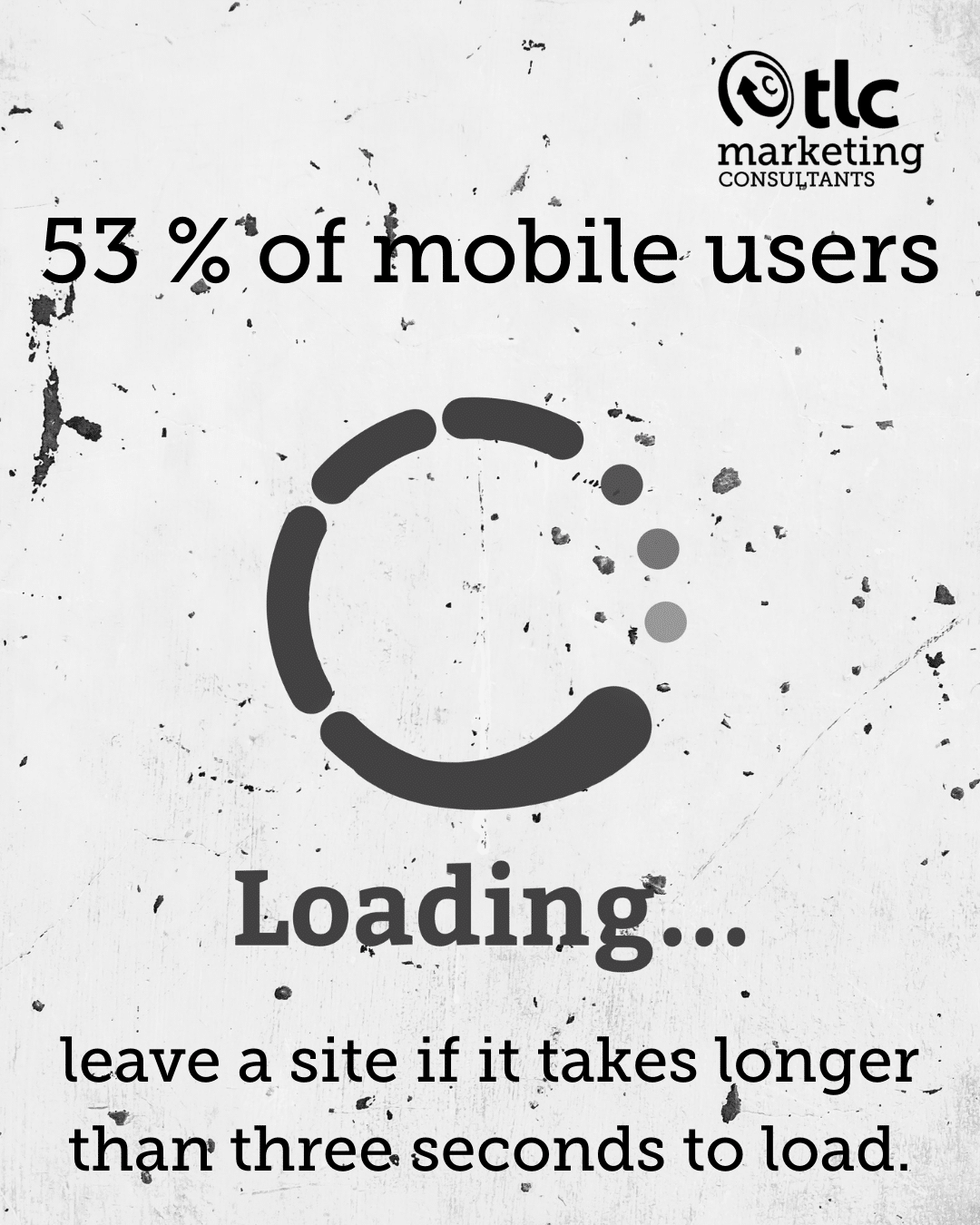
- Fast load speeds
- Trust indicators such as reviews
- Structured contact forms
Pages discussing marketing strategy consulting services should include visible inquiry prompts that reduce friction and encourage engagement.
Improving small conversion elements often produces significant performance gains over time.
Step 8: Track Performance and Refine
Ongoing evaluation ensures that your marketing plan remains effective and adaptable.
Key Metrics to Monitor
- Website traffic sources
- Conversion rates
- Lead quality
- Cost per acquisition
- Email engagement
- Organic keyword rankings
Businesses searching for marketing consultants near me frequently lack structured reporting systems. Establishing consistent performance reviews enables informed strategic adjustments and improved forecasting.
Quarterly assessments provide opportunities to refine tactics while maintaining long-term alignment with business objectives.
The Role of AEO in Marketing Planning
Answer Engine Optimization supports visibility in AI summaries and voice search results. Marketing plans must now account for how search engines extract and present information.
Best Practices
- Use structured headings
- Provide concise answers
- Include FAQ sections
- Implement schema markup
- Address common customer questions directly
For example, when someone searches “How do I build a marketing plan?” your content should offer an immediate, structured explanation that search engines can easily interpret.
When Should You Update Your Marketing Plan?
Marketing plans should evolve alongside business conditions.
Review your plan:
- Quarterly for performance analysis
- Annually for strategic realignment
- When launching new services
- During market expansion
- After significant algorithm or industry changes
Regular updates prevent stagnation and maintain competitive relevance.
Common Marketing Planning Mistakes to Avoid
- Skipping foundational research
- Setting unrealistic growth targets
- Failing to define KPIs
- Ignoring conversion optimization
- Underfunding critical channels
- Neglecting performance reviews
Avoiding these mistakes increases the probability that your marketing plan produces measurable and sustainable outcomes.
Conclusion
A marketing plan that actually works is structured, measurable, and adaptable. It connects business objectives with tactical execution, defines clear audience segments, prioritizes channels, allocates budget responsibly, and tracks outcomes consistently.
Without planning, marketing efforts become fragmented and reactive. With a defined roadmap, growth becomes more predictable and sustainable.
TLC Marketing Consultants supports businesses seeking structured, data-informed planning and execution. If you are ready to align your goals with measurable marketing performance, you can contact us to begin building a plan that supports long-term business growth.
Frequently Asked Questions
What is the difference between a marketing strategy and a marketing plan?
A strategy defines long-term positioning and competitive direction. A marketing plan details the specific actions, budgets, and timelines used to execute that strategy effectively.
How detailed should a marketing plan be?
It should provide enough structure to guide decision-making while remaining flexible. Clarity, measurable goals, and defined accountability are more important than document length.
How often should performance be reviewed?
Quarterly reviews are recommended, with comprehensive annual evaluations to reassess broader objectives and channel priorities.
Does every business need professional consulting?
Not every organization requires external support, but businesses often benefit from structured guidance offered through marketing services consulting, particularly when growth has plateaued.
How does SEO support a marketing plan?
SEO strengthens long-term visibility and inbound lead generation. Incorporating structured efforts such as search engine optimization kansas city ensures consistent organic discovery aligned with user intent.