A mobile-friendly website is no longer optional for businesses that want to compete online. As more consumers use smartphones and tablets to search for products, services, and local businesses, companies that fail to provide a smooth mobile experience risk losing valuable customers.
Your website is often the first impression potential customers have of your business. If it loads slowly, is difficult to navigate, or does not display properly on mobile devices, visitors may leave before taking action.
At TLC Marketing Consultants, we know that effective web design is about more than appearance. It helps improve user experience, supports search visibility, and makes it easier for visitors to connect with your business. By prioritizing mobile optimization, businesses can increase engagement, generate more leads, and support long-term growth.
Understanding What a Mobile-Friendly Website Means
A mobile-friendly website is designed to automatically adapt to different screen sizes and devices. Whether a visitor accesses your website from a smartphone, tablet, laptop, or desktop computer, the content remains easy to read, navigate, and interact with. Modern consumers expect websites to function seamlessly regardless of the device they use. Businesses that meet these expectations are more likely to keep visitors engaged and encourage them to take action.
Key Features of a Mobile-Friendly Website
Several elements contribute to a positive mobile experience:
- Responsive website design
- Fast page loading speed
- Mobile-friendly navigation
- Easy-to-read text
- Optimized images
- Touch-friendly buttons
- Click-to-call functionality
- Mobile-friendly contact forms
- Clear calls to action
Together, these features help visitors quickly find information and complete desired actions.
Why Mobile Usage Continues to Increase
Consumer behavior has changed significantly over the past decade. Smartphones have become the primary way many people access the internet.
Consumers use mobile devices to:
- Search for nearby businesses
- Compare products and services
- Read customer reviews
- Contact service providers
- Request quotes
- Schedule appointments
- Make purchases
For local businesses, mobile searches often indicate strong purchase intent. Someone searching for a service on their phone is frequently looking for an immediate solution. If your website fails to meet their expectations, they may quickly move on to a competitor.
The Role of Mobile-Friendly Websites in Customer Experience
User experience plays a major role in determining whether visitors stay on your website or leave. When users can easily navigate your website, find information, and complete actions, they are more likely to engage with your business. A strong mobile experience also supports the success of other business initiatives by ensuring visitors have a seamless experience after arriving on your website.
A poor mobile experience often leads to:
- Increased bounce rates
- Lower engagement
- Reduced trust
- Fewer inquiries
- Missed sales opportunities
Common Mobile Website Problems
Many businesses unknowingly create obstacles for mobile visitors.
These issues may include:
- Slow page loading times
- Tiny text that requires zooming
- Buttons that are difficult to tap
- Broken page layouts
- Difficult navigation menus
- Forms that are hard to complete
Each of these problems can negatively affect the customer journey, reduce conversions, and limit the effectiveness of your digital marketing services and online marketing efforts.
How a Mobile-Friendly Website Supports SEO
Search engines strive to provide users with the best possible experience. As a result, websites that perform well on mobile devices are often rewarded with better visibility in search results. It helps search engines understand that your business is committed to delivering a quality experience for visitors.
Mobile Optimization and Search Rankings
Several ranking factors are influenced by mobile performance, including:
| SEO Factor | Impact of Mobile Optimization |
| Page Speed | Faster websites often perform better |
| User Experience | Better engagement signals |
| Mobile Usability | Supports search visibility |
| Bounce Rate | Lower bounce rates improve performance |
| Mobile-First Indexing | Aligns with Google’s requirements |
| Conversion Rate | Improves website effectiveness |
Businesses investing in SEO services often find that mobile improvements contribute significantly to long-term search performance.
Understanding Mobile-First Indexing
Google now primarily evaluates the mobile version of a website when determining rankings. This process, known as mobile-first indexing, means your mobile experience directly influences how search engines view your website.
If your mobile site:
- Loads slowly
- Contains usability issues
- Displays incorrectly
- Provides a poor experience
Your search performance may suffer.
Why Mobile-First Indexing Matters
Businesses that prioritize mobile optimization are better positioned to:
- Improve search visibility
- Increase organic traffic
- Support user engagement
- Generate more leads
As mobile usage continues to grow, mobile-first indexing will remain a critical consideration for website owners.
Mobile-Friendly Websites Help Generate More Leads
Website traffic alone does not generate business results. Visitors must take action.
It makes it easier for users to complete important actions such as:
- Calling your business
- Submitting a contact form
- Scheduling a consultation
- Requesting a quote
- Making a purchase
Features That Encourage Conversions
Certain mobile-friendly features can significantly improve conversion rates.
Examples include:
- Click-to-call buttons
- Mobile-friendly forms
- Clear contact information
- Simplified navigation
- Fast-loading pages
- Easy appointment scheduling
Reducing friction throughout the customer journey helps increase the likelihood of conversions.
Mobile-Friendly Website vs Non-Mobile-Friendly Website
The difference between a mobile-optimized website and a poorly optimized website can have a direct impact on business performance.
| Mobile-Friendly Website | Non-Mobile-Friendly Website |
| Fast loading speeds | Slow loading speeds |
| Easy navigation | Difficult navigation |
| Responsive design | Fixed layout |
| Better user experience | Frustrating experience |
| Higher engagement | Increased abandonment |
| Improved search visibility | Reduced visibility |
| More conversions | Fewer conversions |
| Greater customer satisfaction | Lower customer satisfaction |
This comparison highlights why mobile optimization should be viewed as a business investment rather than an optional feature.
The ROI of Investing in a Mobile-Friendly Website
Many business owners focus on website costs without considering long-term returns. Mobile optimization can create measurable value by improving multiple performance areas.
Benefits That Contribute to ROI
A Mobile-Friendly Website can help generate:
- Increased website traffic
- Better search rankings
- More qualified leads
- Higher conversion rates
- Improved customer retention
- Stronger brand credibility
Even small improvements in mobile usability can produce meaningful business results over time.
Why Mobile Optimization Matters for Local SEO
Local searches frequently occur on mobile devices. When consumers search for nearby services, they often want immediate information and quick access to a business.
Examples include searches such as:
- Plumber near me
- Marketing consultant near me
- Dentist near me
- Home services nearby
- Local contractor
These users are often ready to contact a business or make a purchasing decision.
Mobile Experience and Local Search Success
A strong mobile experience supports Local SEO by helping visitors:
- Find your contact information
- Access directions
- View business hours
- Submit inquiries
- Contact your team quickly
When users can easily interact with your website, they are more likely to choose your business over competitors.
Essential Components of a High-Performing Mobile Website
Businesses should regularly evaluate their websites to ensure they meet modern standards.
Responsive Website Design
Responsive design allows your website to automatically adjust to different screen sizes and devices. This creates a consistent experience for every visitor.
Fast Loading Speed
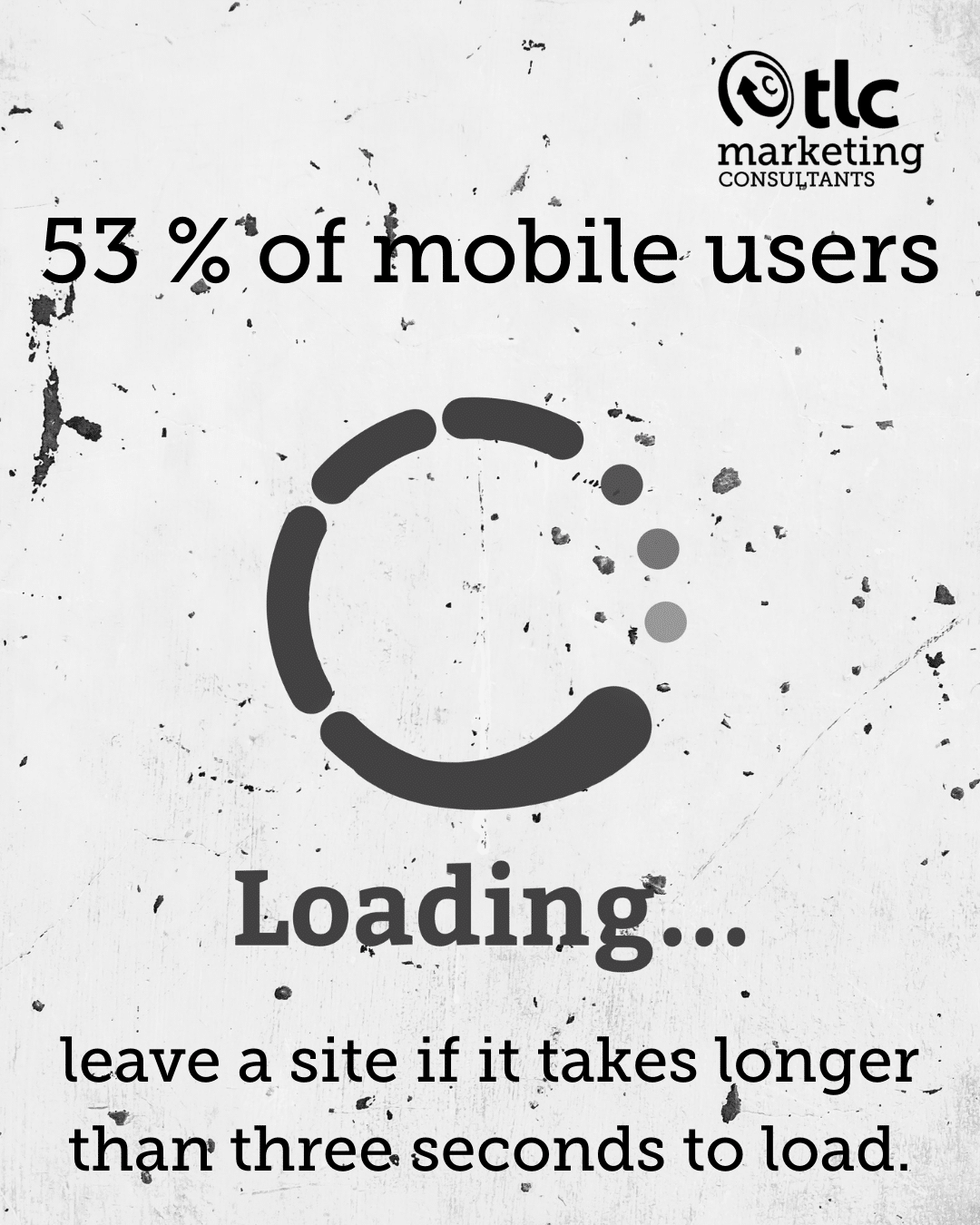
Website speed remains one of the most important performance factors. Visitors expect pages to load quickly. Delays often lead to higher bounce rates and lost opportunities.
Clear Navigation
Navigation should be simple, intuitive, and easy to use on smaller screens.
Easy-to-Find Contact Information
Users should never struggle to locate:
- Phone numbers
- Email addresses
- Contact forms
- Business locations
Strong Calls to Action
Every page should guide visitors toward a specific action.
Examples include:
- Contact Us
- Schedule a Consultation
- Request a Quote
- Learn More
How Mobile Optimization Supports Your Overall Online Presence
Your website serves as the foundation of your online presence. Whether visitors arrive through search engines, social media platforms, referrals, or marketing campaigns, the quality of your website experience influences their perception of your business.
A strong mobile experience complements other initiatives such as:
- Content creation
- SEO strategies
- Online advertising
- Lead generation campaigns
- Brand awareness efforts
- Marketing strategy consulting services
When businesses invest in marketing strategy consulting services, a mobile-friendly website helps ensure that their broader marketing efforts deliver the best possible results. For this reason, mobile optimization should be considered a core part of any website improvement strategy.
Signs Your Website May Need Mobile Improvements
Not all mobile issues are immediately obvious. Business owners should regularly monitor website performance and user behavior.
Warning Signs to Watch For
You may need mobile improvements if you notice:
- High bounce rates
- Declining engagement
- Slow loading speeds
- Low mobile conversion rates
- Poor search visibility
- Frequent user complaints
Addressing these issues early can help prevent lost business opportunities.
Why Mobile-Friendly Websites Build Trust
Trust plays a major role in purchasing decisions. When visitors arrive on a professional, fast, and easy-to-use website, they are more likely to view your business as credible and reliable.
At TLC Marketing Consultants, we understand that a website often serves as a customer’s first impression of a business. It helps create confidence by providing a seamless experience across all devices and making information easily accessible.
A mobile-friendly website communicates:
- Professionalism
- Reliability
- Attention to detail
- Customer focus
On the other hand, outdated or difficult-to-use websites can create negative first impressions that discourage potential customers and lead them to explore other options.
Conclusion
A mobile-friendly website is essential for businesses that want to remain competitive in today’s digital landscape. Mobile users now represent a significant portion of online traffic, and their expectations continue to rise. By investing in responsive website design, faster loading speeds, improved usability, and a seamless mobile experience, businesses can strengthen customer engagement, improve search visibility, and increase conversions.
A well-optimized mobile website supports better user experiences, stronger Local SEO performance, and long-term business growth. It also enhances the effectiveness of broader initiatives such as SEO services and online visibility strategies. If your website is not delivering the mobile experience today’s consumers expect, now is the time to make improvements. Contact us to learn how TLC Marketing Consultants can help you create a stronger online presence and a better experience for your customers.
Frequently Asked Questions
What is a Mobile-Friendly Website?
A mobile-friendly website automatically adjusts to different screen sizes and devices, making it easy for users to browse and interact with content.
Why is a mobile-friendly website important?
It improves user experience, supports search rankings, and helps businesses generate more leads and conversions.
How does mobile optimization affect SEO?
Mobile optimization supports mobile-first indexing, improves usability, and enhances key ranking factors such as page speed and engagement.
Can mobile optimization improve conversion rates?
Yes, it make it easier for visitors to complete actions such as contacting your business or submitting forms.
Why is mobile optimization important for local businesses?
Many local searches occur on mobile devices. A positive mobile experience helps businesses capture high-intent customers.