Local keyword research is one of the most effective ways to help nearby customers find your business online. When done correctly, it improves search visibility, drives qualified website traffic, and supports stronger local search rankings. The good news is that local keyword research does not need to be complicated or overly technical to deliver results.
Understanding how customers search.
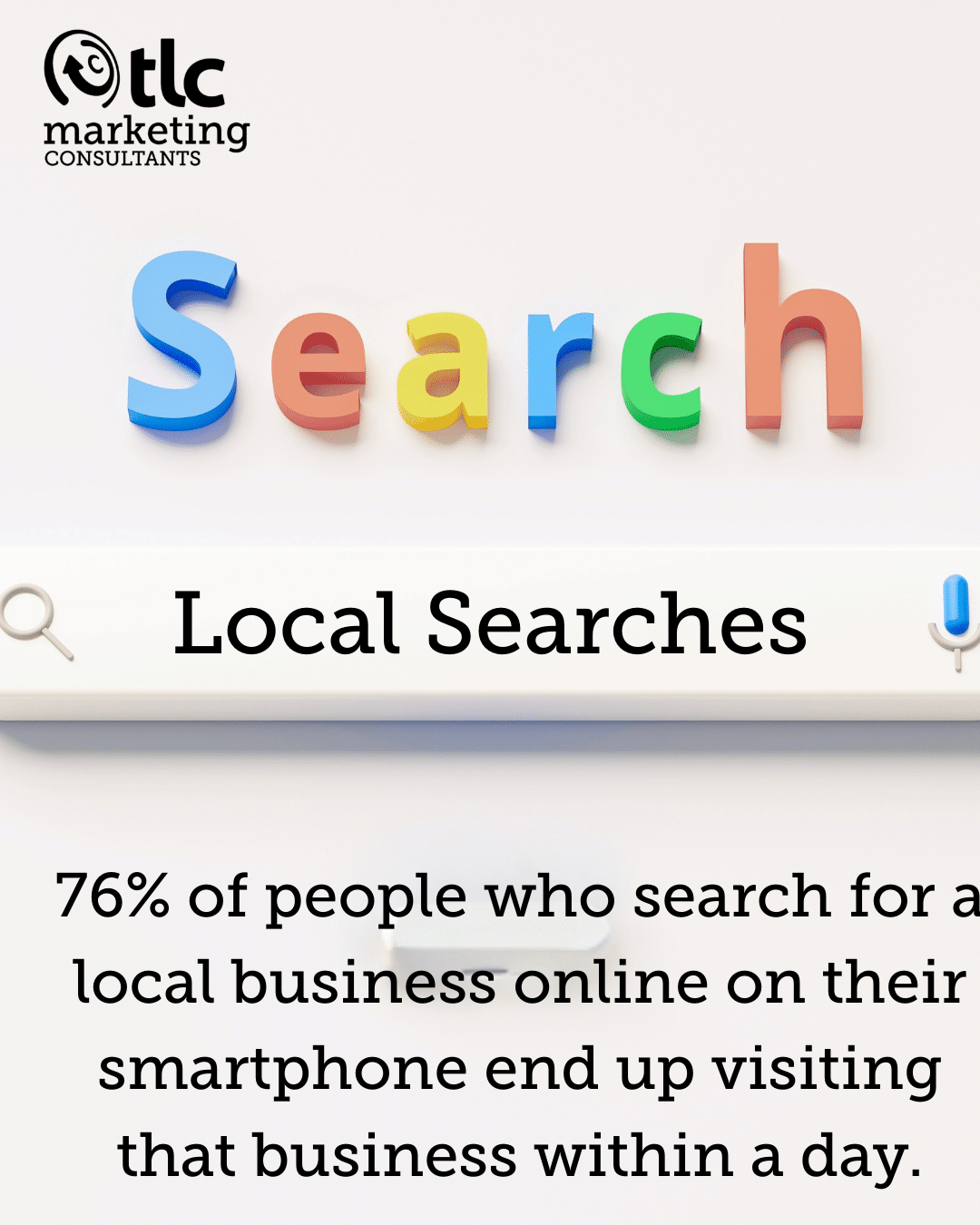
Most local searches include a service or product paired with a location or intent, such as “near me,” a city name, or a neighborhood. These searches signal high intent — meaning the customer is actively looking for a solution. According to Google, local searches lead to action, with many users visiting a business within a day of searching. (thinkwithgoogle.com) That makes choosing the right keywords especially valuable for local businesses.
Services
Begin with your core services. Write down the main products or services your business offers using everyday language your customers would naturally use. Avoid internal jargon or industry terminology that customers may not recognize. For example, customers are more likely to search for “air conditioner repair” than a technical service name.
Location
Next, add location signals. Combine your services with city names, nearby towns, or service areas you cover. You can also include phrases like “near me,” “local,” or “open now” where appropriate. These location-based keywords help search engines connect your business to relevant local searches.
Google’s own tools can help guide your research. The autocomplete feature in Google search provides real-time insight into what people are searching for. Start typing your service into Google and note the suggested phrases that appear. These suggestions are based on real search behavior and can reveal valuable keyword ideas. The “People also ask” and related searches sections offer additional clues about common questions and intent.
Your Google Business Profile is another important keyword research resource. Review the insights section to see what search terms people use to find your business. These real-world queries often uncover keyword opportunities you may not have considered and can help refine your website and content strategy.
Competitor listings also provide useful insight. Look at how similar local businesses describe their services on their websites and Google profiles. Pay attention to recurring terms and phrases, especially those tied to location. This helps you understand how customers compare options and what language resonates locally.
Once you identify your keywords, use them naturally across your website. Focus on page titles, headings, service pages, and business descriptions. Avoid keyword stuffing. Clear, helpful content that uses keywords naturally performs better and provides a better user experience.
Local keyword research is not a one-time task. Search behavior changes, and businesses evolve. Reviewing and updating keywords periodically helps ensure your marketing stays aligned with how customers search today.
For local businesses, simple keyword research leads to better visibility, stronger engagement, and more qualified leads. By focusing on customer language, local intent, and practical tools, you can build a keyword strategy that works without unnecessary complexity.
Need some help with your marketing?
Contact us at:
Tlcmarketingconsultants.com
in**@*********************ts.com
913.904.2125